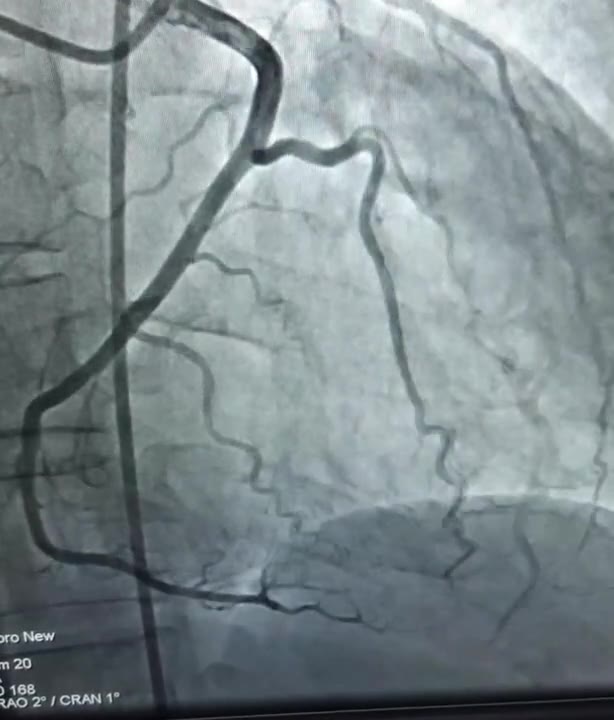
What is coronary angiography?
Coronary angiography, often called a coronary angiogram or CAG, uses a catheter, contrast dye and X-ray imaging to examine the arteries supplying the heart. It helps show where an artery is narrowed or blocked.
The angiogram is a diagnostic test. The findings are considered alongside your symptoms, other investigations and health history before a treatment plan is discussed.
When might an angiogram be considered?
A cardiologist may recommend the test when symptoms or other results suggest reduced blood supply to the heart, when further detail is needed before treatment, or during the assessment of an acute cardiac emergency. The reason and urgency depend on the individual situation.
What happens during the test?
The skin at the access site, commonly the wrist or groin, is numbed with local anaesthetic. A thin catheter is guided to the coronary arteries. Contrast makes the arteries visible while a series of moving X-ray images is recorded.
If treatment is appropriate, angioplasty may sometimes follow during the same visit. This possibility, alternatives and consent should be discussed with the clinical team.
Preparation, recovery and risks
Bring your prescriptions and previous cardiac reports. Tell the team about contrast reactions, kidney problems, diabetes and any possibility of pregnancy. Ask for your own fasting and medicine instructions.
Afterwards, staff monitor the access site and your circulation. Hospital stay, travel and return to activity depend on the findings and whether another procedure was performed. Risks include bruising, bleeding, contrast reactions and, less commonly, kidney injury or serious cardiovascular complications.
Frequently asked questions
Is an angiogram the same as angioplasty?
An angiogram produces images of the arteries. Angioplasty treats a selected narrowing using balloons and sometimes a stent. The two may be performed during the same admission when appropriate.
Does a blockage always mean I need a stent?
The decision depends on symptoms, the significance and pattern of disease, heart function and other health factors. Medicines, angioplasty and bypass surgery may be discussed.
What should I bring to my consultation?
Bring your prescriptions, ECG or echo reports, relevant blood tests and any previous angiogram recordings or discharge summaries.