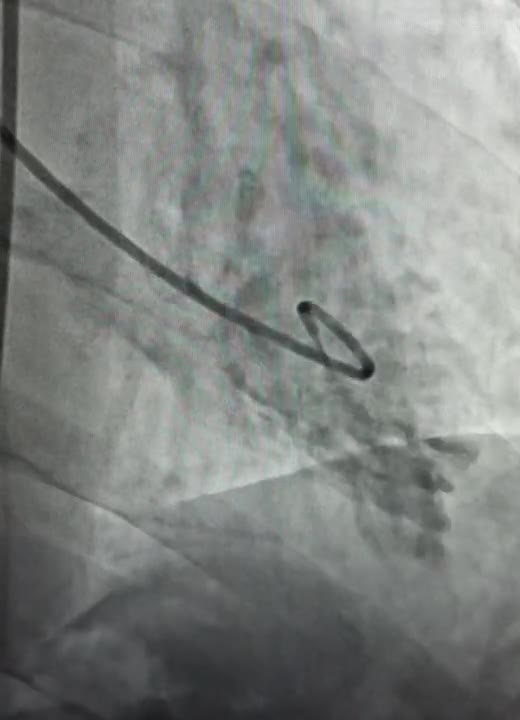
What is right heart catheterisation?
A catheter is passed through a vein to the right side of the heart and the pulmonary artery. It measures pressures and can provide information about blood flow and oxygen levels. This helps evaluate pulmonary hypertension and other selected problems of the heart or circulation.
What does left heart catheterisation assess?
Catheters introduced through an artery can help assess the left side of the heart. Depending on the clinical question, the study may include pressure measurements, coronary angiography or imaging of the left ventricle.
Right and left heart studies may be combined when the team needs a fuller haemodynamic assessment. The requested measurements should answer a particular diagnostic question.
Understanding the measurements
- Cardiac output estimates how much blood the heart pumps each minute.
- Pulmonary and systemic vascular resistance describe resistance within the lung and body circulations.
- Oxygen samples and flow calculations can help assess a suspected shunt.
- The results are interpreted alongside imaging, symptoms and other investigations.
What should I expect before and afterwards?
The team explains the access route, local anaesthetic, monitoring and any additional imaging. Bring prescriptions and previous reports, and ask for individual instructions about food, drink and medicines.
After the catheter is removed, the access site and circulation are monitored. The findings help guide the next discussion about treatment. Risks can include bruising, bleeding, infection, rhythm disturbance and uncommon serious complications. Recovery advice depends on the tests performed and your wider health.
Frequently asked questions
Is catheterisation always a treatment?
No. It is often used to obtain diagnostic information. The findings may guide medicines, further tests or a separate intervention.
Can an echo replace right heart catheterisation?
Echocardiography provides useful estimates and structural information. Direct catheter measurements may still be needed to answer a specific clinical question, including confirming some forms of pulmonary hypertension.
Why are oxygen samples taken?
Differences in oxygen content across parts of the circulation can help the team understand blood flow and investigate a possible shunt.